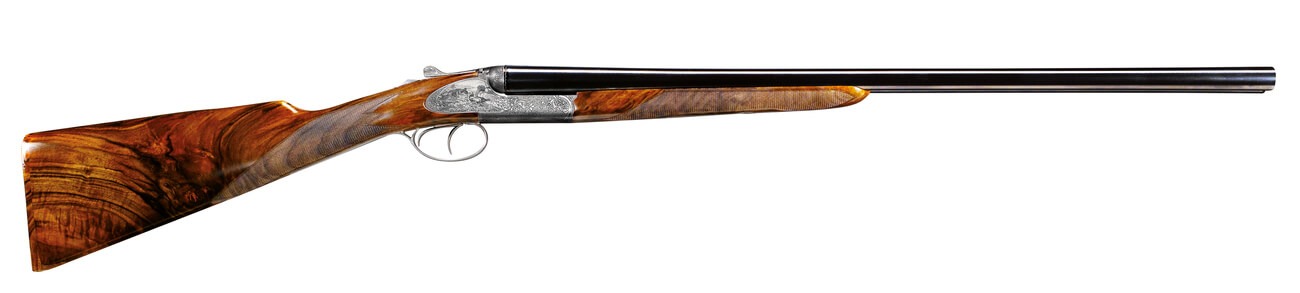
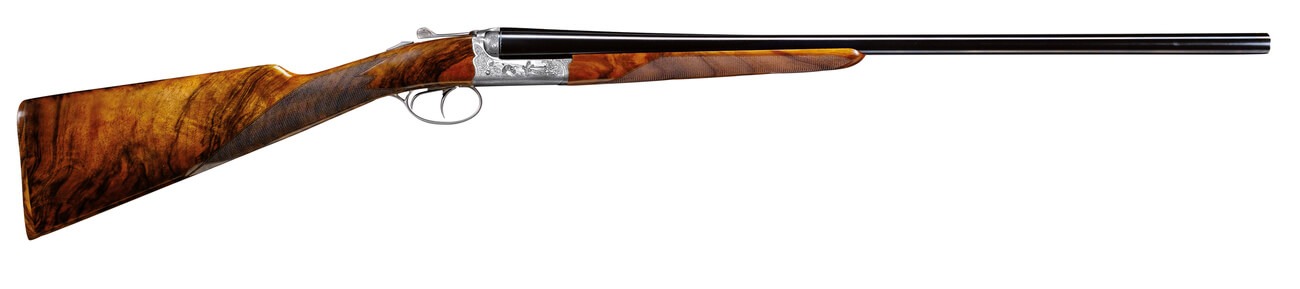
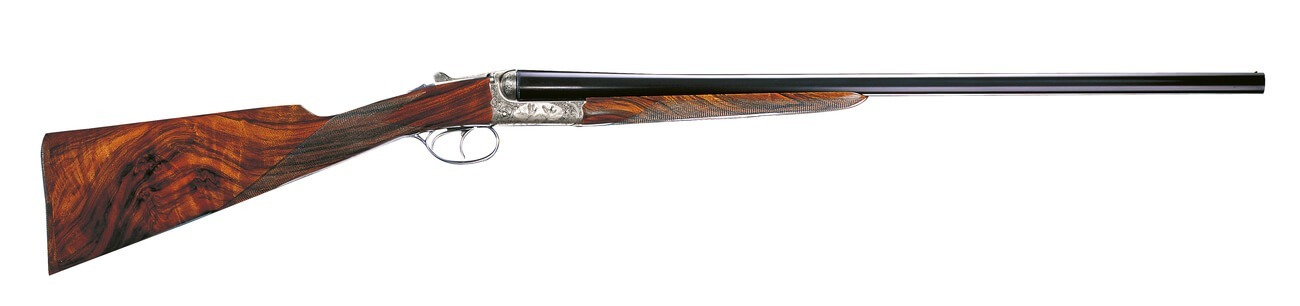
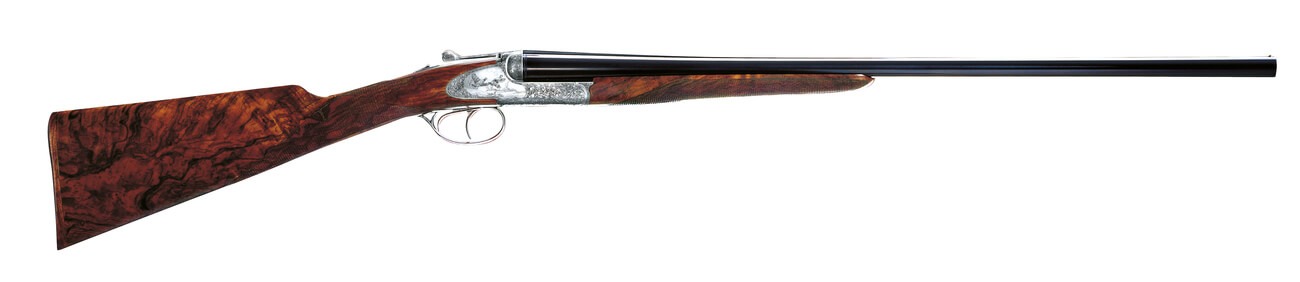





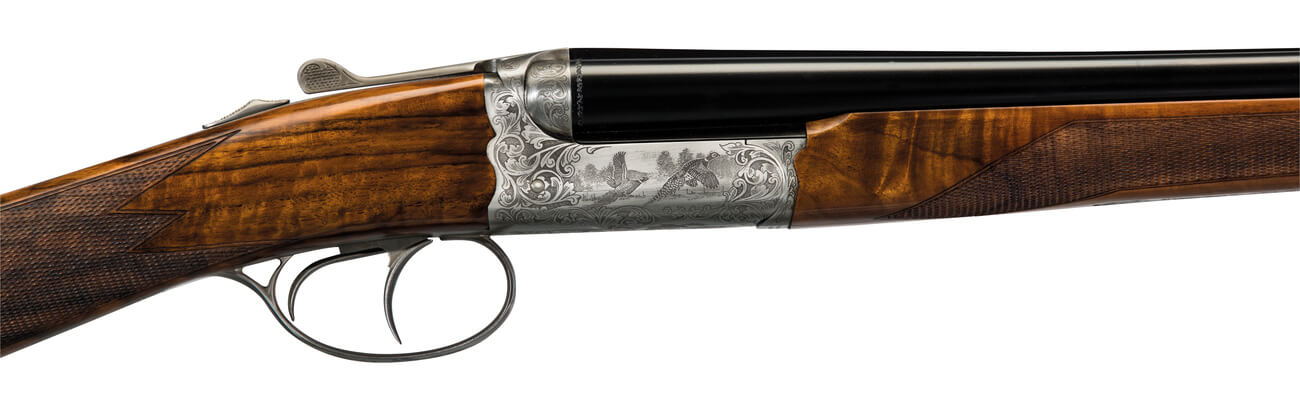
for small game
Less than 3 kg
We can customize your weapon
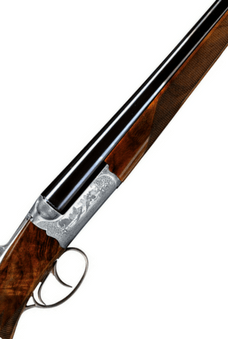
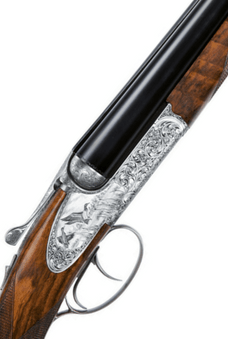
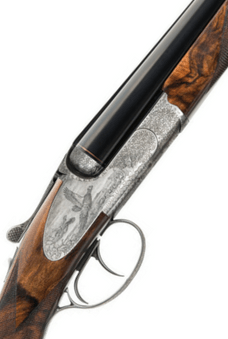
A classic and timeless hunting firearm, the side-by-side shotgun remains a reliable choice for both novice and experienced hunters.
Invented in Europe in the early 17th century, the first side-by-side shotguns were handcrafted and therefore very expensive. They were primarily used by nobles and wealthy landowners for hunting grouse, hare and pheasant.
Over the following centuries, side-by-side shotguns continued to evolve in both design and manufacturing. With the advent of mechanization, they began to be produced on a larger scale, making them more accessible to a wider audience.
Later, in the 1850s, side-by-side shotguns were introduced to the United States, where they quickly gained popularity. They were used for hunting both feathered and furred game, as well as big game such as deer and bears.
During the 20th century, side-by-side shotguns continued to evolve with the introduction of new materials such as aluminum and plastics, reducing weight and improving handling.
Today, modern side-by-side shotguns are often made using lightweight materials such as aluminum alloys, carbon fiber and advanced polymers to reduce weight, increase durability and improve ease of use.
Versatile, reliable and accurate, the side-by-side shotgun can be adapted to virtually any type of hunting and is also widely used for sport shooting.
Side-by-side shotguns remain highly valued by hunters.
Several features distinguish a side-by-side shotgun from other types, such as over-and-under shotguns.
The barrels are positioned side by side rather than stacked vertically. This configuration allows easier aiming and can help reduce perceived recoil. Barrels are generally made of hardened steel and are designed to fire shot. They may be monobloc or joined, depending on the model.
Various barrel lengths are available. Barrel length determines the maximum effective range: longer barrels provide greater range but may be heavier and more difficult to handle.
Other components are similar to those found on other hunting shotguns:
Receiver: houses the locking and firing mechanisms and is usually made of steel or aluminum.
Trigger guard: allows the shooter to hold the shotgun securely; it may be made of wood or synthetic material.
Stock: used to shoulder the firearm and aim more precisely; available in wood or synthetic materials.
Firing pin: strikes the primer to ignite the powder.
Hammer: locks the barrels in the closed position and releases them for firing.
However, features may vary depending on the model and manufacturer.
Several criteria should be considered before selecting a side-by-side shotgun.
Intended use
Choose a model suited to your hunting practice. Side-by-side shotguns are commonly used for small game, birds in flight and even certain types of big game hunting.
Which caliber should you choose?
The choice of caliber depends on your needs, preferences and the game you hunt.
The most commonly used gauges are:
12 gauge: the most common, offering high power and a wide range of ammunition. Suitable for waterfowl, birds, small game and even big game.
16 gauge: less common and slightly less powerful than the 12 gauge; a good intermediate option between 12 and 20.
20 gauge: offers good performance with lower recoil, making it ideal for younger or smaller-framed hunters.
28 gauge: mainly used for bird hunting due to its lower power.
Barrel length
Barrel length is an important factor, affecting both accuracy and range. Longer barrels are generally more accurate but can be heavier and harder to handle.
Weight
Weight affects handling and shooting comfort. A shotgun that is too heavy may be difficult to handle and negatively impact accuracy.
Accessories
Many accessories can enhance your shotgun: scopes or red dot sights for aiming, interchangeable stocks, chokes or pistol grips for customization. You can also improve comfort with transport cases, slings and other equipment. Maintenance accessories such as cleaning rods, bore snakes or wipes are also essential.
Budget
The price of a side-by-side shotgun varies depending on materials, caliber and accessories. It is important to choose a quality firearm that fits your budget.
Before shooting, proper setup is essential. A poorly adjusted shotgun can be dangerous and affect accuracy.
Always perform adjustments in a safe, well-lit area. Ensure that the forend screws are properly tightened to avoid off-target shots. The stock should never rest directly on the barrels. The barrels must be properly seated within the forend with consistent pressure.
Check that the firearm is correctly loaded and configured according to the type of ammunition used. If using a scope, ensure that all mounting screws are secure and that there is no play.
Adjustment must be carried out using supported shooting—use a shooting rest or bench.
Start by firing three individual shots aimed at the center of the target. After these shots, determine any necessary corrections.
This involves calculating the optimal zero (DRO), based on two trajectories: the line of sight and the bullet trajectory.
The DRO corresponds to a distance where the bullet never rises more than 4 cm above the line of sight—typically around 100 meters. Due to gravity, the bullet then descends and intersects the line of sight again at its center.
Once the DRO is established, fire three additional shots to confirm that the point of impact is approximately 4 cm above the target at 100 meters (or 2 cm at 50 meters). This adjustment ensures optimal performance.
The DRO may vary depending on factors such as distance, ammunition type, temperature and humidity. It should therefore be checked regularly.
What type of hunting?
Side-by-side shotguns can be used for various hunting styles:
Close-range hunting: ideal for small game such as birds and rabbits, typically under 50 meters.
Driven hunts: suitable for big game such as deer, wild boar and roe deer, thanks to their precision and adaptability.
Stalking: also suitable for certain types of big game stalking.
Sport shooting: widely used in clay shooting and small game competitions.
Which ammunition should you use?
Depending on your hunting practice, different types of ammunition are available:
• Single projectile cartridges for big game
• Multiple pellet cartridges for birds and small animals
• Lead shot cartridges for waterfowl hunting (subject to regulations)
Proper maintenance is essential to ensure reliability, durability and consistent performance.
After each hunt, thoroughly clean your shotgun. Clean the barrels, chambers and moving parts to prevent corrosion and malfunctions.
Use a firearm cleaner and a clean cloth to degrease the weapon. Then clean the inside of the barrels with a stiff brush to remove powder residue.
Apply light oil to lubricate moving parts and seals to ensure smooth operation and extend the lifespan of your shotgun.
Store your firearm in a dry place, protected from the elements. If not used for a long time, use a protective case to prevent dust and dirt accumulation.
Have your shotgun inspected annually by a professional gunsmith to ensure proper functioning and carry out any necessary repairs.

